Broken or Chipped Tooth
Broke or chipped a tooth?
A chipped tooth may need only a relatively small repair, while a deeper fracture can involve more of the tooth. If you've broken a tooth, call us and tell us what happened. We'll help determine how promptly it should be assessed.
We make room for urgent problems and will see you as promptly as we can, often the same day.
Broken teeth
How much of the tooth is involved matters.
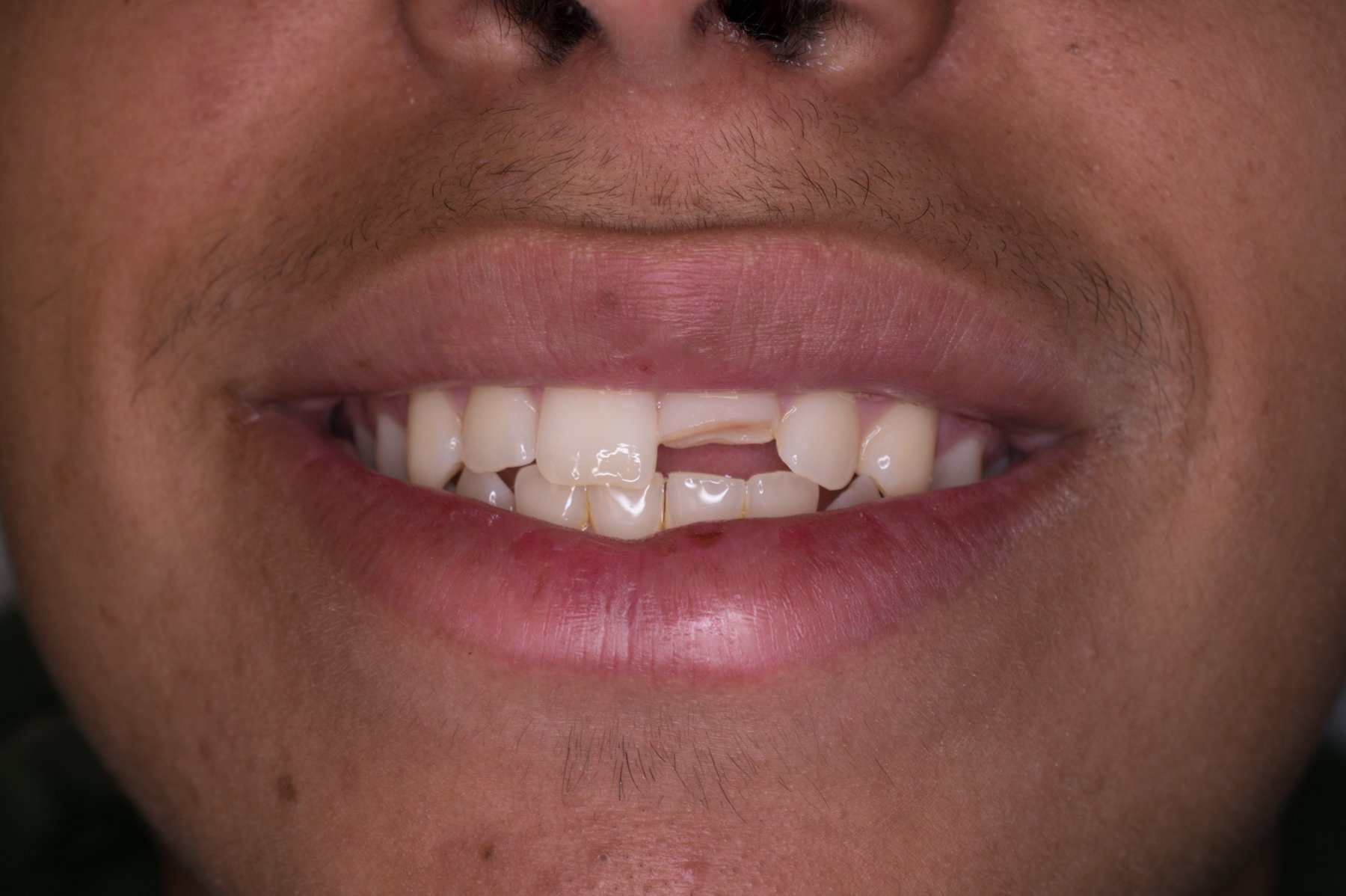
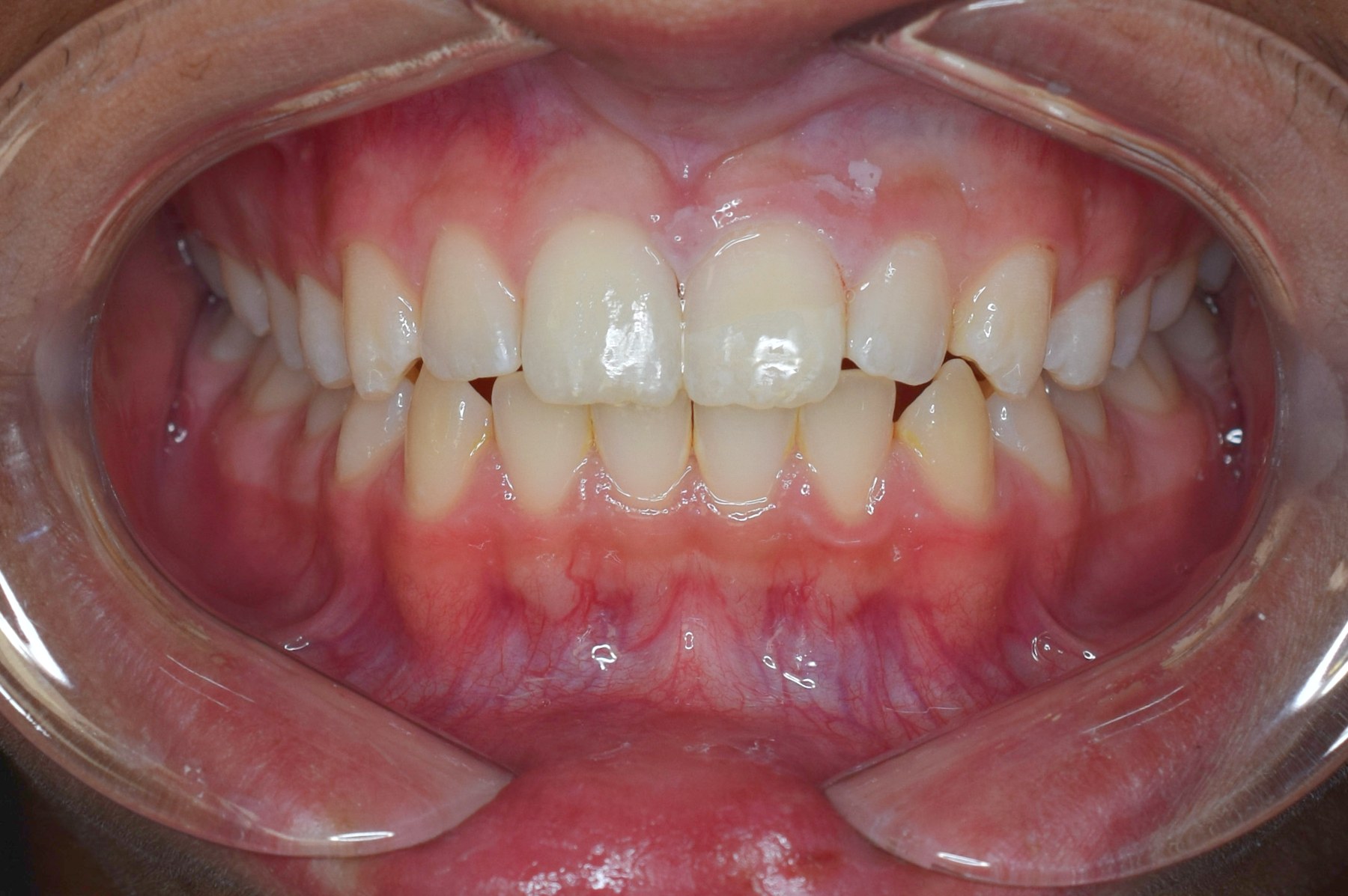
“Broken tooth” can describe very different situations. A small chip at the edge of a tooth is different from a fracture that extends deeper into the tooth or involves an existing filling or crown.
Some broken teeth hurt immediately. Others don't hurt at all. The absence of pain doesn't necessarily tell us how much damage has occurred.
An assessment allows us to see what has broken, whether the tooth is otherwise healthy and what options are available for repairing it.
What happened?
Not every broken tooth is the same.
A small chip
Small chips may affect only a limited amount of tooth structure. Whether they need treatment depends on their size, location, appearance and whether the tooth feels rough, sharp or sensitive.
Part of the tooth broke away
When a larger piece of tooth is lost, more substantial repair may be required. The remaining tooth structure helps determine what treatment is possible.
A tooth broke around a filling
Teeth with existing restorations can sometimes fracture around them. We need to assess both the remaining tooth and the restoration.
A crown came off or broke
A lost or damaged crown can expose the underlying tooth and should be assessed so we can determine whether the crown can be replaced or whether the tooth needs additional treatment.
The tooth cracked
Cracks can vary considerably in depth and extent. Some can be managed predictably; others may significantly affect the long-term outlook for the tooth.
The tooth broke after an injury
Trauma can affect more than the visible portion of a tooth. Depending on the injury, the tooth, supporting tissues and surrounding structures may need to be assessed.
What you can see is only part of the picture. The extent and location of the damage determine what happens next.
When to call
A broken tooth doesn't have to hurt to be worth checking.
Call us promptly if:
- A significant portion of the tooth has broken.
- The tooth is painful or increasingly sensitive.
- It hurts when you bite.
- The broken area is sharp and injuring your tongue or cheek.
- The tooth broke following an injury.
- There is bleeding or damage around the tooth.
- You notice swelling.
- You're unsure how serious the damage is.
A small, painless chip may not require the same urgency as a painful fracture or dental injury, but it is still reasonable to have the tooth assessed.
Until you're seen
Protect the tooth from further damage.
Avoid chewing on the affected tooth if possible, particularly if biting causes pain or more of the tooth feels unstable.
If you can find the broken piece of tooth, keep it and bring it with you. Whether it can be used depends on the individual situation, but it can still be useful for us to see what has broken.
If the area is sharp, avoid repeatedly touching it with your tongue or fingers.
If the injury involves significant facial trauma, uncontrolled bleeding or other symptoms requiring medical attention, seek urgent medical care.
Repairing the tooth
The repair depends on what's left.
Dental bonding
For selected smaller chips or shape changes, tooth-coloured composite may be used to rebuild the missing area.
Dental filling
Some areas of lost or damaged tooth structure may be repaired with a filling when enough healthy tooth remains.
Dental crown
When a tooth has lost more structure or requires greater coverage, a crown may sometimes be considered.
Root canal treatment
If the fracture or damage significantly affects the tissue inside the tooth, root canal treatment may sometimes be required before the tooth is restored.
Tooth extraction
Some fractures leave a tooth with a poor prognosis or make predictable repair difficult. In those situations, removal may need to be considered.
A broken tooth does not automatically need a crown, root canal or extraction. Treatment depends on the individual tooth and the extent of the damage.
Location matters
Front teeth and back teeth face different demands.
In either location, the goal is to choose a repair that makes sense for the tooth, not simply the most extensive treatment available.
Front teeth
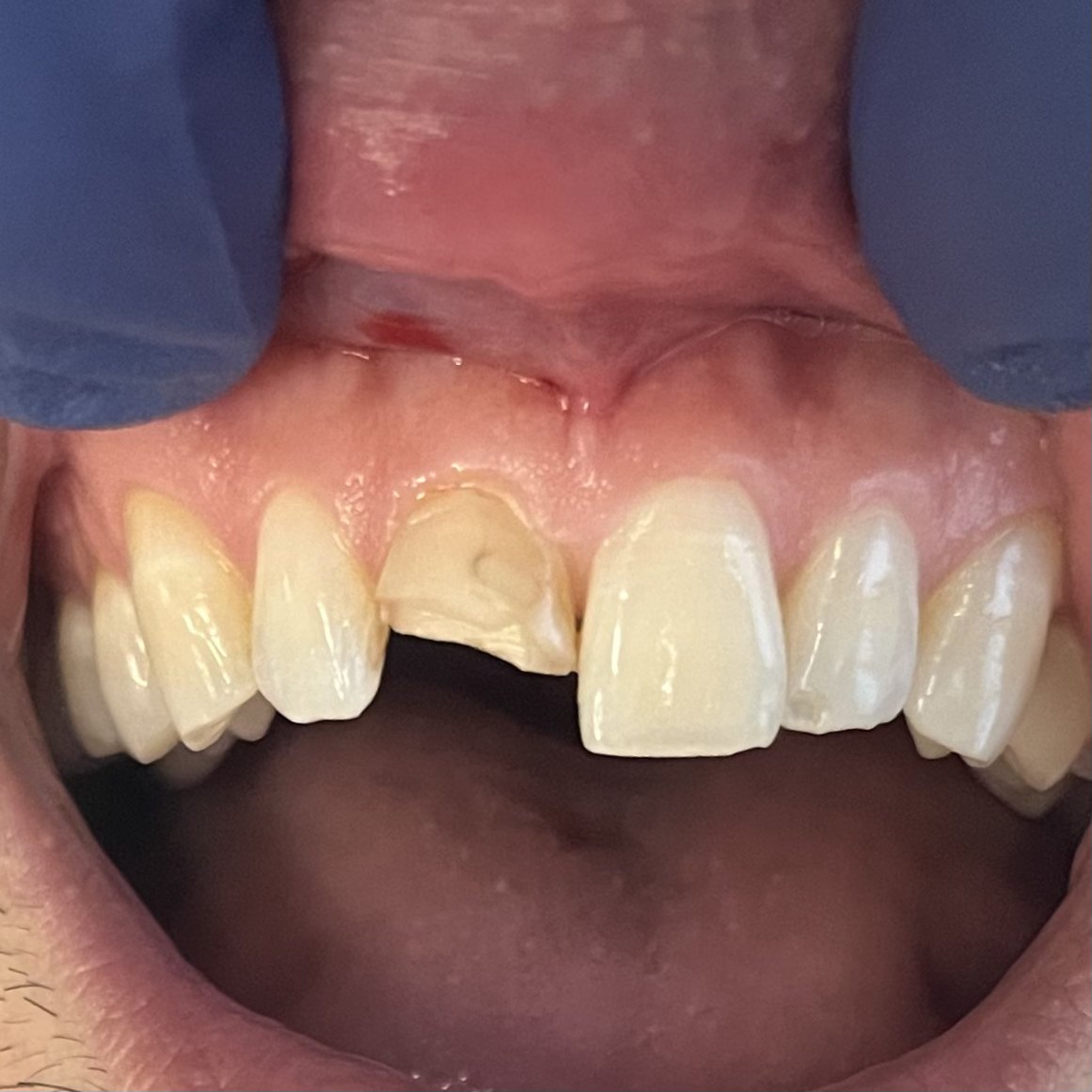
A broken front tooth may raise both functional and cosmetic concerns, particularly when the shape or appearance of the smile has changed.
Back teeth
Back teeth generally experience substantial chewing forces, so the amount of remaining tooth structure and how the tooth functions become particularly important when deciding how it should be repaired.
Cracked teeth
A crack isn't always easy to see.
Some cracks are visible. Others are difficult to identify and may present mainly as pain when biting, temperature sensitivity or intermittent symptoms.
The significance of a crack depends on where it is, how far it extends and which parts of the tooth are involved. That is why treatment for a cracked tooth can range considerably.
Common questions
Common questions about broken and chipped teeth.
Is a chipped tooth a dental emergency?+
It depends on the extent of the damage and your symptoms. A small painless chip may not require the same urgency as a painful or extensively fractured tooth. If you're unsure, call us and describe what happened.
What if my broken tooth doesn't hurt?+
A broken tooth can sometimes be painless. Lack of pain does not necessarily tell us how much tooth structure has been affected, so the tooth should still be assessed.
Can a chipped tooth be repaired?+
Many chipped teeth can be repaired, but the appropriate treatment depends on the size and location of the chip, the condition of the remaining tooth and whether other structures are involved.
Can you bond a chipped front tooth?+
Dental bonding can be a useful option for selected chips and shape changes in front teeth. Whether it is appropriate depends on the size of the repair, the bite and the condition of the tooth.
Does a broken tooth need a crown?+
Not always. A crown may be considered when a tooth requires more coverage or has lost substantial structure, but smaller defects may be managed differently.
Does a cracked tooth need a root canal?+
Not necessarily. The appropriate treatment depends on the location and extent of the crack and whether the tissue inside the tooth has been affected.
What if my crown fell off?+
Call us and keep the crown if you have it. We need to assess the crown and the underlying tooth to determine whether it can be replaced or whether another treatment is needed.
I'm anxious about having my broken tooth treated. Do you offer nitrous oxide?+
Nitrous oxide may be available for appropriate patients who are anxious about dental treatment. Let us know when you call if you're nervous or haven't been to the dentist in a while, and we can discuss whether it may be appropriate for you.
Related care
Broken a tooth?
Call us and tell us what happened. We'll help determine how promptly the tooth should be assessed and what your next step should be.
In an emergency, call to speak with a team member who can help triage your situation. For non-urgent visits, feel free to email us at reception@smilemail.ca or send an appointment request. We reply within one business day.
We'll see you as promptly as we can, often the same day.