Dental Bonding
At Yonge & St. Clair.
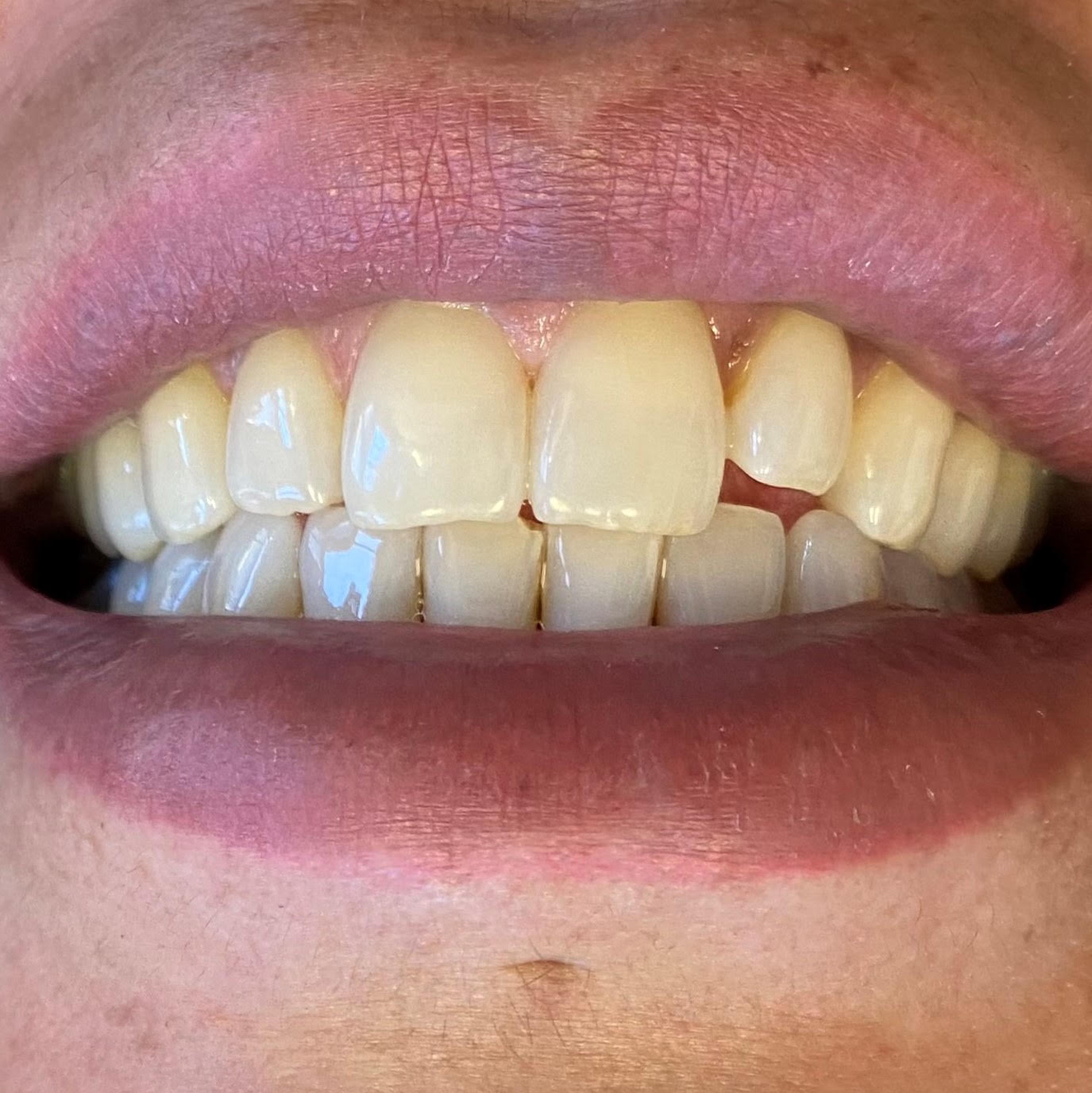
Dental bonding uses tooth-coloured composite to make selected changes to the shape or appearance of a tooth. It can be a useful option for chips, small shape differences and other localized cosmetic concerns.
Composite bonding
Sometimes a small change is enough.
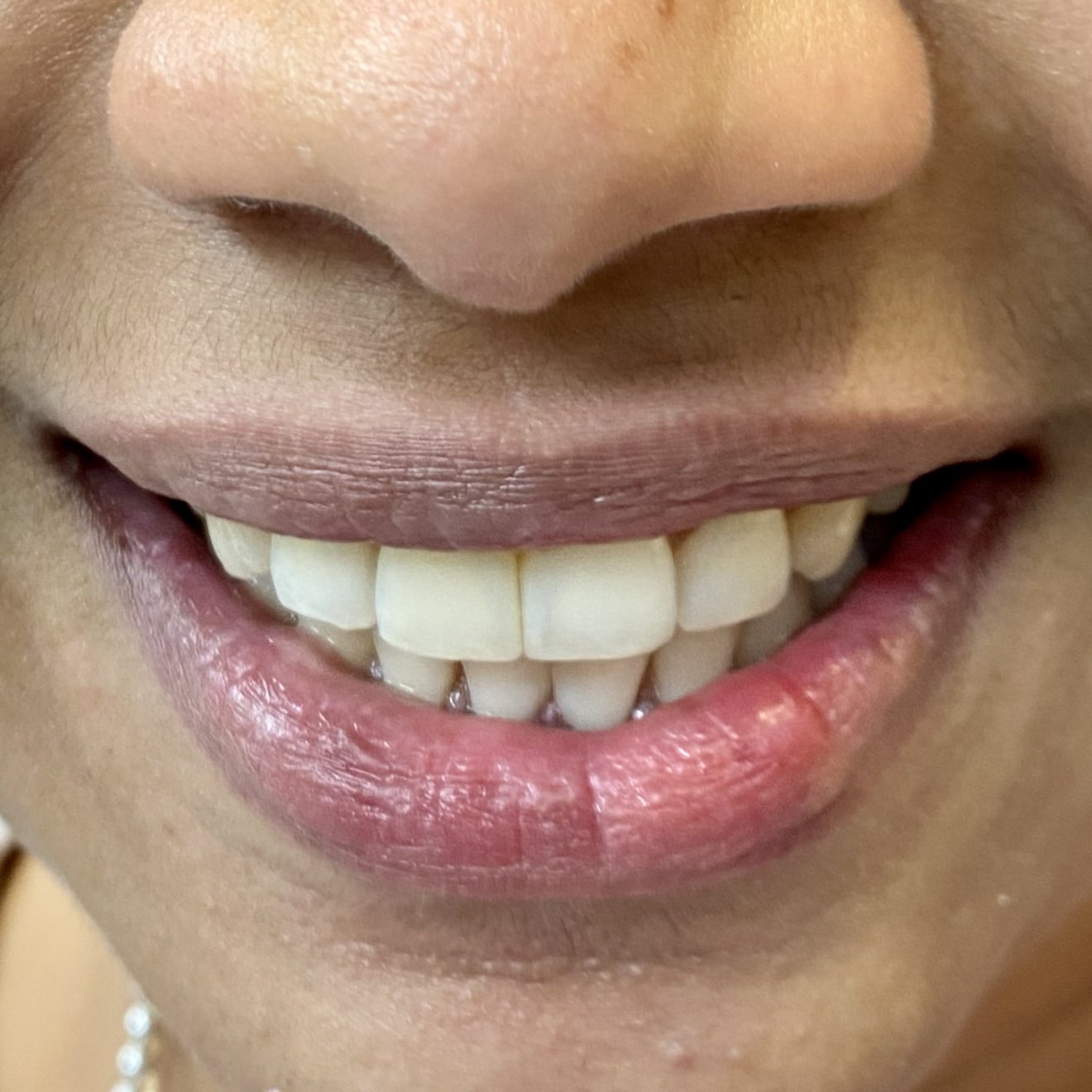
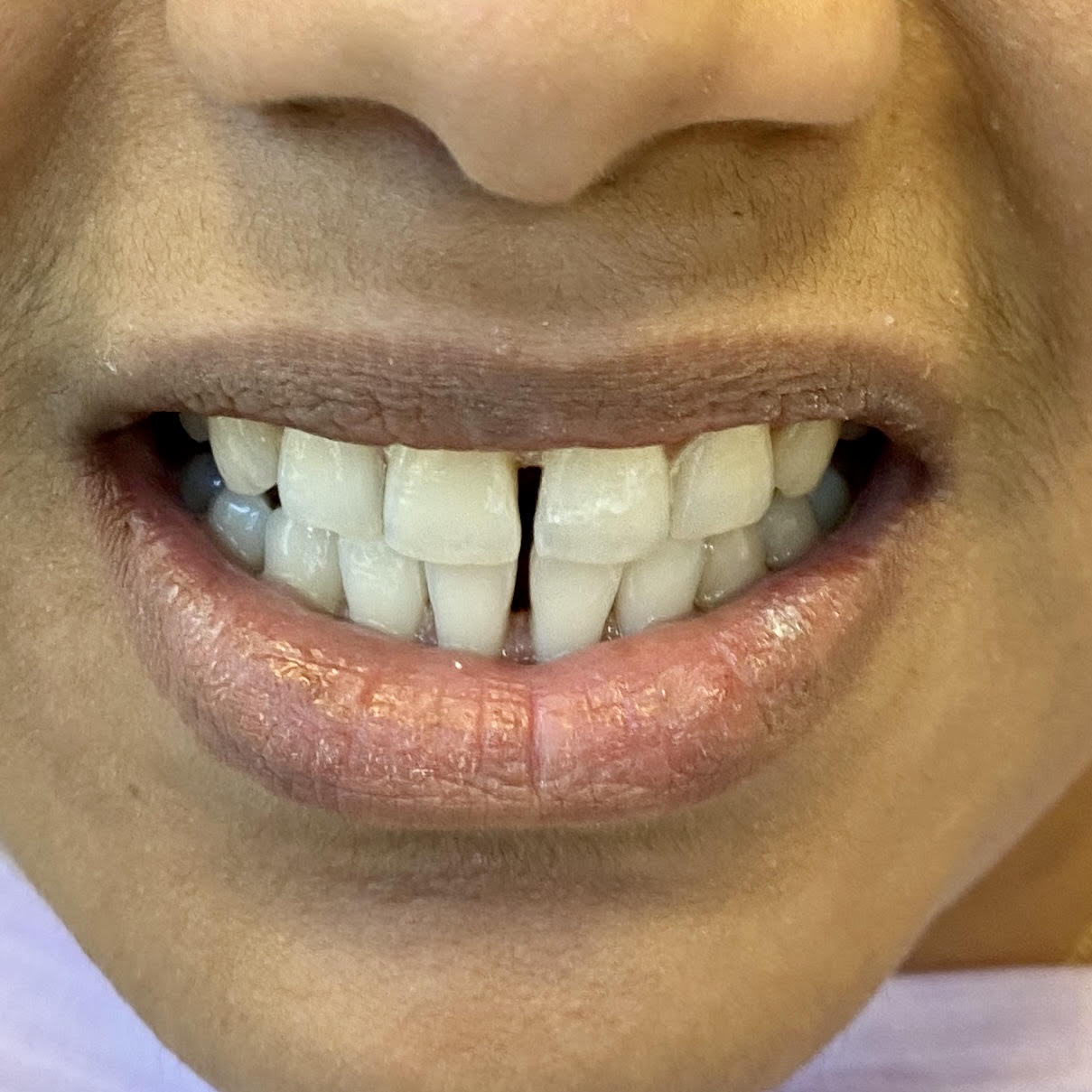
Dental bonding, also called composite bonding, uses tooth-coloured composite resin that is applied directly to a tooth and shaped to change or restore its appearance.
It can be particularly useful when the concern is relatively localized. Depending on the tooth and what you're hoping to change, bonding may allow us to alter its shape, repair a small chip or adjust its proportions without using a porcelain restoration.
The first question isn't whether bonding can be placed. It's whether it is the right material and approach for that particular tooth.
What bonding can address
Small changes can make a meaningful difference.
Chipped teeth
Composite can be used in selected situations to rebuild a small missing or damaged portion of a tooth.
Tooth shape
Bonding can alter contours or proportions when a localized change is appropriate.
Small spaces between teeth
Composite may sometimes be used to change tooth width and reduce the appearance of a small space.
Uneven or worn edges
Selected areas can sometimes be reshaped or rebuilt with composite.
Localized colour concerns
Composite can cover selected areas when changing the visible surface of a tooth is appropriate.
Bonding doesn't move teeth or correct the underlying position of a tooth. If alignment or bite is the primary concern, a different approach, including orthodontic assessment, may make more sense.
The process
Shaped directly on the tooth.
Plan
We assess the tooth and discuss the change you're hoping to make, including the shape, proportion and colour.
Prepare
The tooth is prepared as required for the planned bonding. The amount of preparation depends on the tooth and what we're trying to accomplish.
Shape
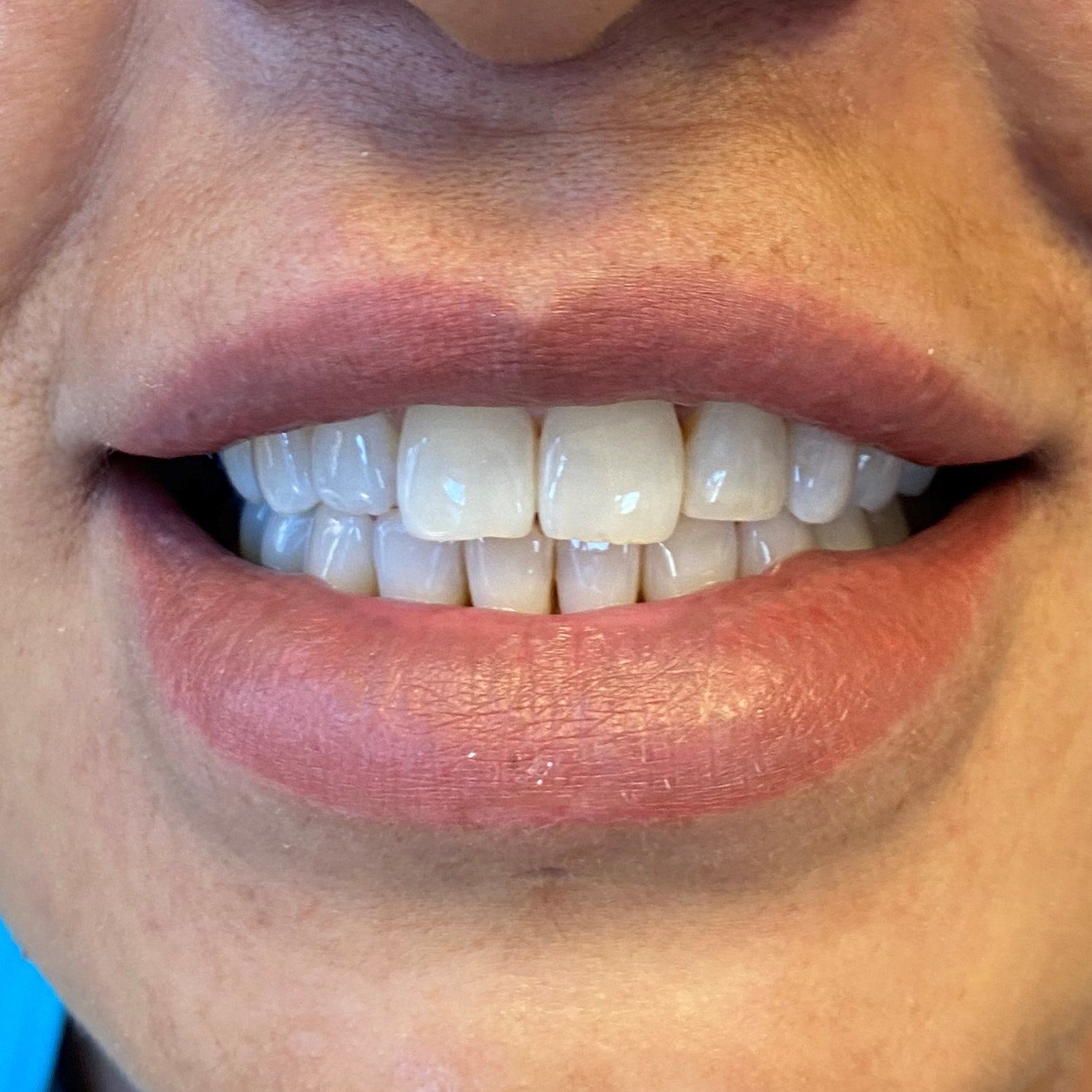
Tooth-coloured composite is applied and shaped directly on the tooth.
Finish
The material is hardened, refined and polished so that we can evaluate its shape, surface and relationship to the surrounding teeth.
Bonding or veneers?
The more conservative option isn't automatically the better option.
| Dental Bonding | Porcelain Veneers | |
|---|---|---|
| Material | Tooth-coloured composite | Dental porcelain |
| Often considered for | Smaller or localized changes | More significant changes to selected teeth |
| Tooth alteration | Depends on the case; often relatively conservative | Preparation depends on the tooth and treatment plan |
| Repair | Can often be repaired or modified | Damage may require a different repair or replacement approach |
| Surface properties | Composite can stain or change over time | Porcelain behaves differently with respect to staining and surface finish |
| Planning | Often shaped directly on the tooth | Porcelain is planned and fabricated before final placement |
Bonding can be an excellent treatment when its strengths match the problem we're trying to solve. Porcelain may be more appropriate when the planned change, existing tooth or long-term restorative requirements call for a different material.
Limitations & maintenance
Composite isn't porcelain, and that's important.
Dental bonding can be repaired and modified, which is one of its useful characteristics. But composite also behaves differently from porcelain over time.
Bonding can stain, chip, wear or lose some of its surface polish. How it holds up depends on where it is placed, how much material is involved, your bite and habits such as clenching or grinding.
We'll discuss those trade-offs when deciding whether bonding is a sensible option for the change you're considering.
Common questions
Common questions about dental bonding.
What is dental bonding?+
Dental bonding, also called composite bonding, uses tooth-coloured composite resin applied directly to a tooth to repair or change aspects of its shape or appearance.
What can dental bonding fix?+
Bonding may be considered for selected chipped teeth, small spaces, uneven edges, shape differences and other localized cosmetic concerns. Whether it is appropriate depends on the tooth, bite and degree of change required.
How long does dental bonding last?+
There isn't one lifespan that applies to every bonded tooth. Longevity depends on where the bonding is placed, how much composite is involved, your bite, habits and how the restoration is cared for. Bonding may eventually require polishing, repair or replacement.
Does dental bonding stain?+
Composite can change colour or pick up staining over time. The degree varies with the material, surface, diet, habits and other factors. Bonding does not respond to teeth whitening in the same way as natural tooth structure.
Can dental bonding be whitened?+
Whitening products lighten natural tooth structure but do not predictably change the colour of existing composite bonding. If you're considering whitening and bonding together, it may make sense to plan the whitening first so the composite colour can be selected afterward.
Does bonding require shaving the tooth?+
Bonding often requires less alteration of tooth structure than some porcelain restorations, but not every bonding procedure is completely additive or requires no preparation. What is required depends on the tooth, existing surface and planned change.
Is bonding better than veneers?+
Neither is universally better. Bonding may make sense for smaller or more localized changes and can often be repaired or modified. Veneers use porcelain and may be considered when a different degree of change or restorative approach is required. The right choice depends on the tooth and your goals.
Can bonding close gaps between teeth?+
Bonding can sometimes reduce the appearance of a small space by changing the width or shape of the neighbouring teeth. It does not move the teeth themselves, and larger spaces or alignment concerns may be better addressed another way.
Related care
Wondering whether bonding could help?
Show us what you'd like to change. We'll assess the tooth and explain whether bonding or another approach makes sense.
Or feel free to email us at reception@smilemail.ca. We reply to appointment requests within one business day.