Teeth Grinding & Bruxism
Clenching or grinding your teeth?
Teeth grinding and clenching can affect the teeth, jaw muscles and surrounding structures, sometimes without you realizing you're doing it. We assess signs of bruxism and related symptoms at Yonge & St. Clair.
Understanding bruxism
You don't have to hear yourself grinding to be doing it.
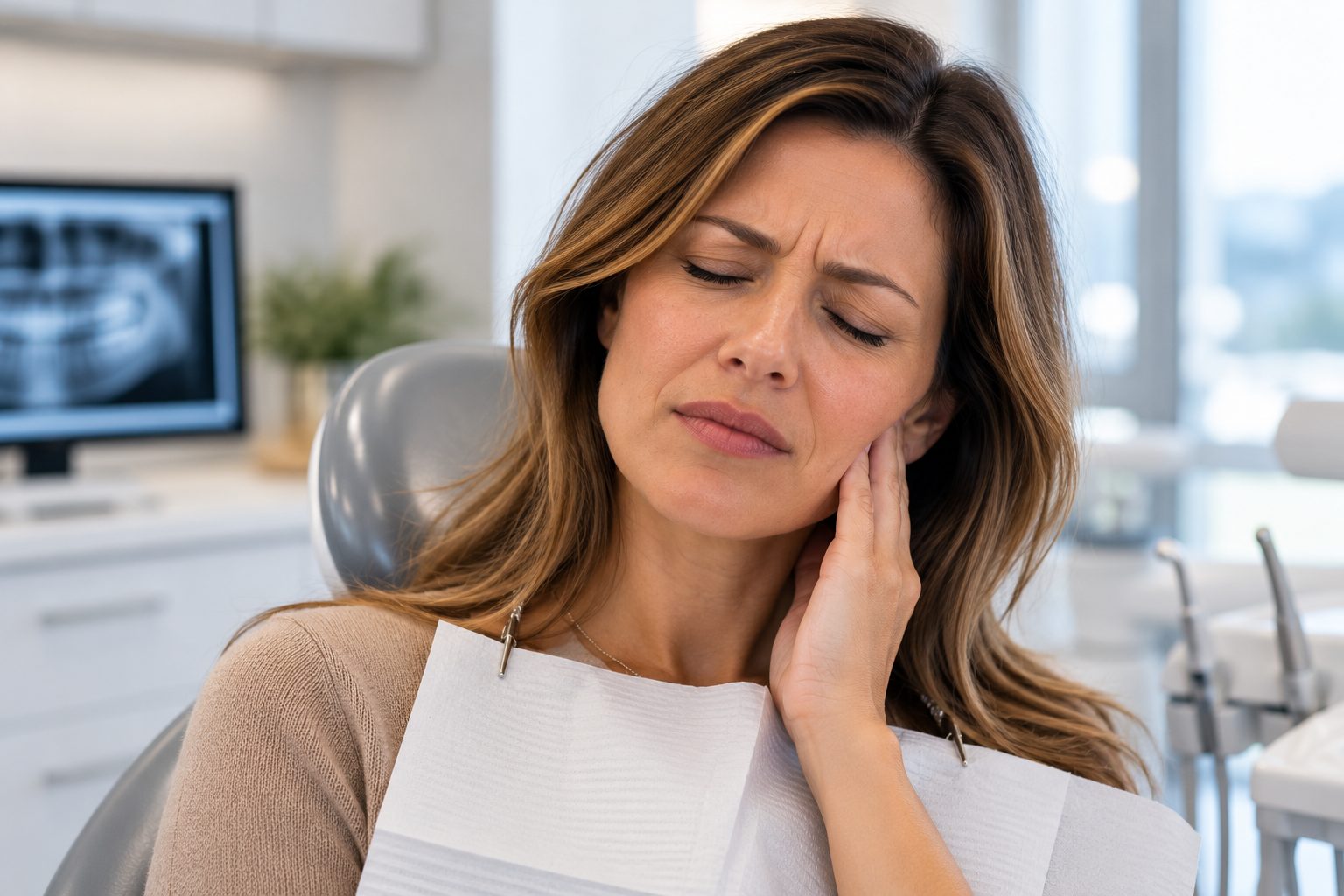
Bruxism is the term used for repetitive clenching or grinding of the teeth. It can happen while you're awake or while you're sleeping, and the pattern isn't the same for everyone.
Some people become aware of clenching during the day. Others are told that they grind their teeth at night. Sometimes the first clue is something we notice during a dental examination, such as changes in the teeth, or symptoms such as tired or tender jaw muscles.
Not every worn tooth, headache or sore jaw is caused by bruxism. The purpose of an assessment is to look at the symptoms and clinical findings together rather than diagnosing grinding from a single sign.
Clenching & grinding
They're related, but they're not exactly the same.
Clenching generally describes holding the teeth together with force, often with relatively little movement. Grinding involves movement of the teeth against one another. Both can occur while awake or during sleep, and a person may experience one or both patterns.
Awake bruxism
Some people notice themselves clenching during periods of concentration, stress or other activities. Becoming aware of the habit can be useful because daytime behaviour may sometimes be modifiable.
Sleep bruxism
Grinding or clenching during sleep happens without conscious control. Patients may become aware of it because someone hears it, because of symptoms on waking or because signs are noticed during a dental examination.
Over time
The concern isn't the sound. It's what the forces may be doing.
Teeth are designed to handle substantial forces during normal function. Repeated or excessive forces from clenching or grinding may become relevant when they contribute to symptoms or changes in the teeth and restorations.
- Wear to tooth structure.
- Chipped or fractured teeth.
- Damage or wear to dental restorations.
- Jaw muscle fatigue or tenderness.
- Changes that may contribute to tooth sensitivity.
The presence of bruxism does not mean all of these problems will occur. Our concern is whether the forces appear to be affecting your teeth, restorations or comfort.
Your assessment
We look for a pattern, not one isolated clue.
What you're experiencing
Jaw fatigue, tenderness, sensitivity, headaches, tooth discomfort or other symptoms.
Your teeth
Patterns of wear, chips, fractures and other changes.
Existing dental work
How fillings, crowns or other restorations are holding up.
Jaw muscles and movement
Tenderness, movement and other relevant findings.
What you've noticed about clenching or grinding
Including when symptoms occur and whether someone has noticed grinding during sleep.
Bruxism can overlap with other jaw-pain concerns. If your symptoms suggest that something else may be contributing, we'll discuss whether additional assessment or another healthcare professional should be involved.
Managing bruxism
Treatment depends on what we're trying to protect or improve.
Management depends on whether you're experiencing symptoms, whether the teeth or restorations appear to be affected, and whether the clenching or grinding occurs while awake, during sleep or both.
In some situations, becoming aware of daytime clenching habits may be useful. In others, protecting the teeth or existing dental work from nighttime forces becomes an important consideration.
The appropriate approach depends on the findings rather than the label alone.
Common questions
Common questions about teeth grinding.
What is bruxism?+
Bruxism is the term used for repetitive clenching or grinding of the teeth. It may occur while awake or during sleep.
How do I know if I grind my teeth at night?+
You may not know. A partner may hear grinding, you may notice symptoms such as morning jaw fatigue, or your dentist may identify changes that could be consistent with grinding. No single sign confirms sleep bruxism on its own.
Is clenching the same as grinding?+
They are related but different behaviours. Clenching generally involves holding the teeth together with force, while grinding involves movement of the teeth against one another. Some people do both.
Does stress cause teeth grinding?+
Stress can be associated with clenching or grinding in some people, particularly awake clenching, but bruxism does not have one universal cause. We avoid assuming that stress explains a patient's symptoms without considering the broader picture.
Can grinding damage my teeth?+
Repeated grinding or clenching forces may contribute to tooth wear, chips, fractures or problems with existing restorations in some patients. The effect varies considerably from person to person.
Can grinding cause jaw pain or headaches?+
Clenching and grinding can be associated with tired or tender jaw muscles and may be relevant to some headache symptoms. Jaw pain and headaches have many possible causes, however, so those symptoms should not automatically be attributed to bruxism.
Do I need a night guard if I grind my teeth?+
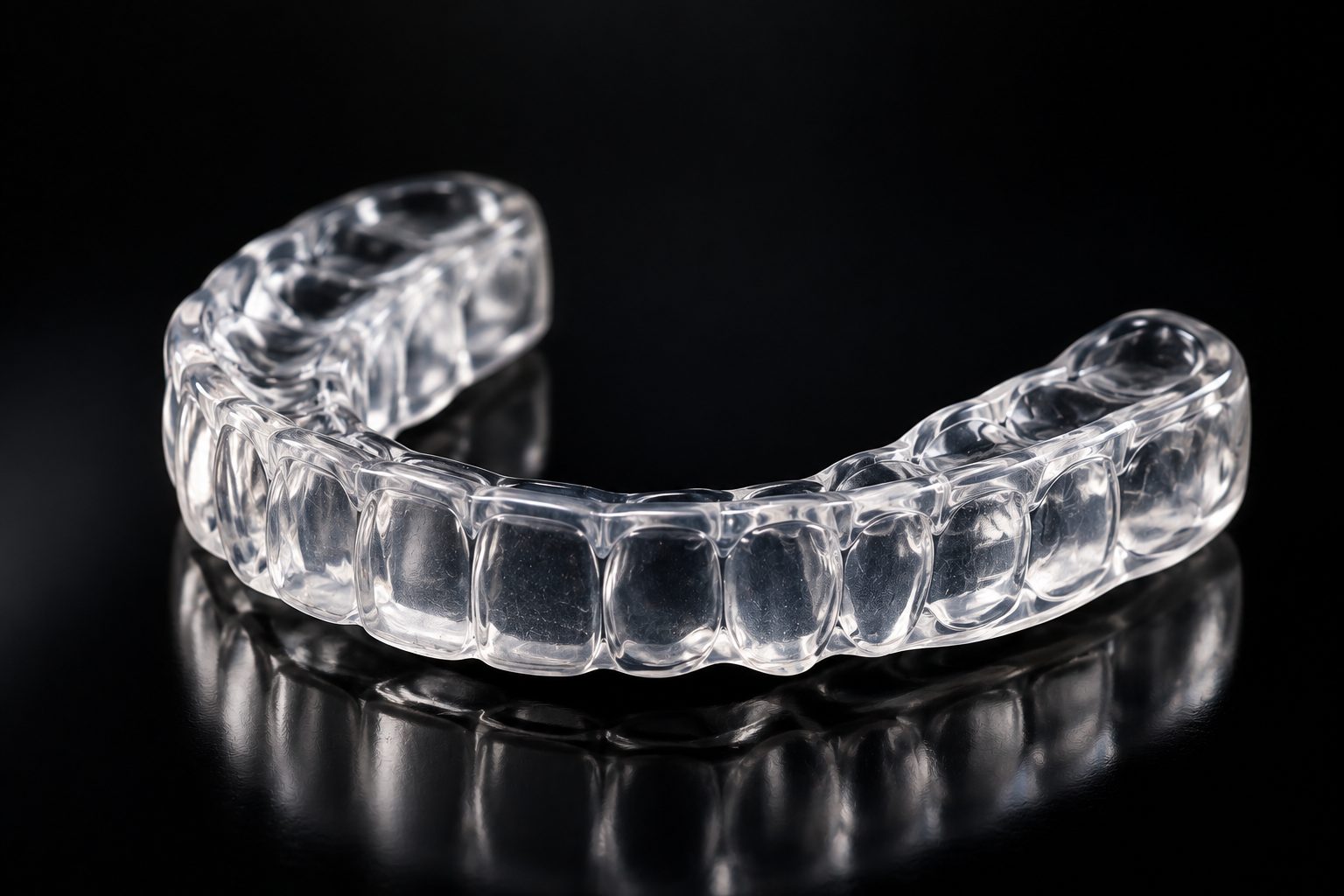
Not everyone who clenches or grinds requires the same treatment. A night guard may be recommended when protecting the teeth or restorations from grinding forces is an important goal. We determine whether one makes sense based on your symptoms and examination findings. In selected situations, Botox may be considered as part of a broader care plan, coordinated with a trusted provider.
Does a night guard stop teeth grinding?+
A night guard is generally intended to manage the effects of grinding or clenching on the teeth rather than guarantee that the behaviour itself stops. Its role depends on the appliance and the reason it has been recommended.
Related care
Concerned about clenching or grinding?
We can look for signs of bruxism, talk through what you've been noticing and determine whether anything needs to be managed or protected.
Or feel free to email us at reception@smilemail.ca. We reply to appointment requests within one business day.