Botox for TMJ & Jaw Pain
Where does Botox fit into jaw pain care?
Botox is sometimes considered for selected patients with jaw-muscle pain, clenching or related symptoms. We start by assessing your dental and jaw concerns. When Botox makes sense, we coordinate it with a trusted provider and continue to look after the dental side of your care.
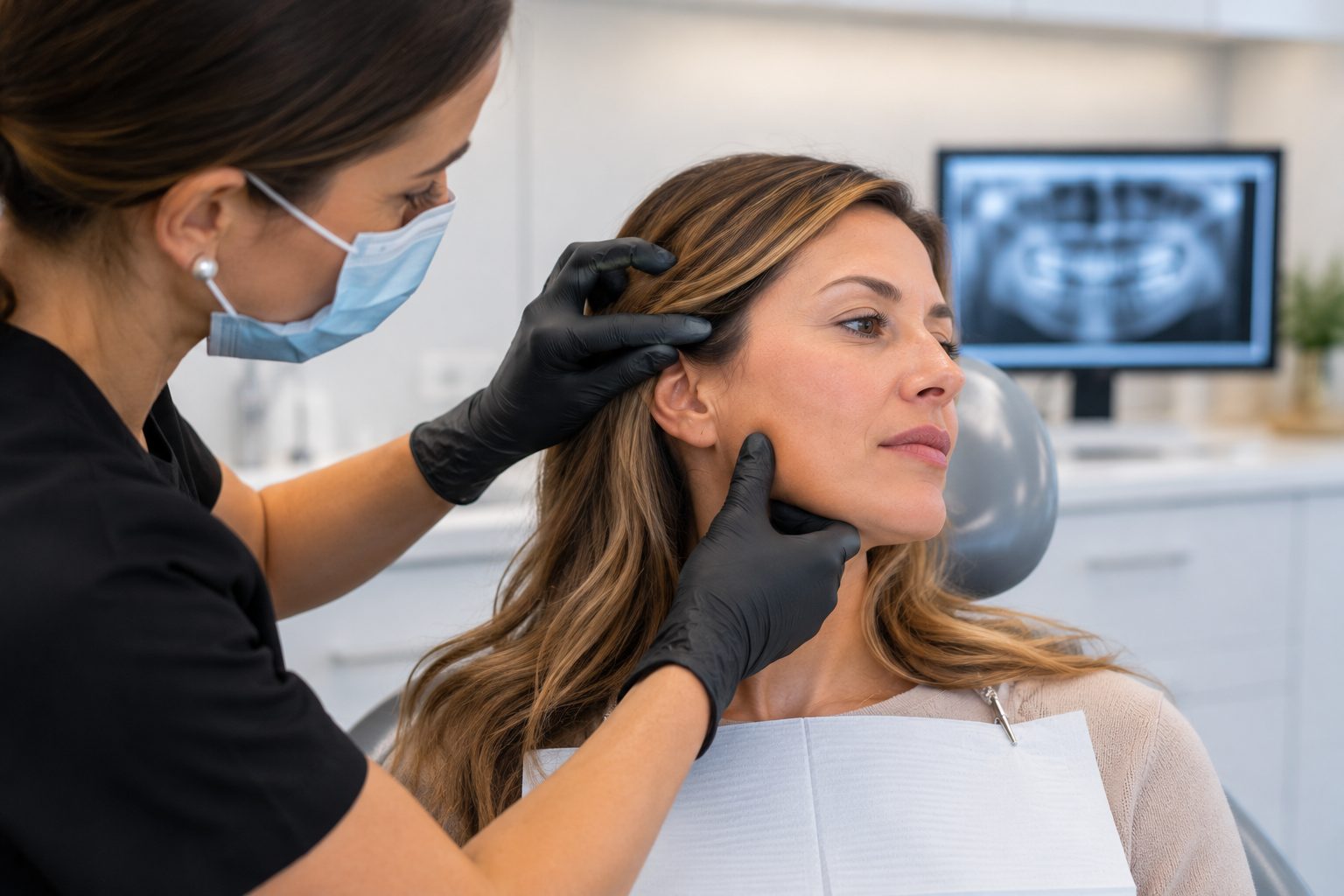
Botox & jaw pain
Botox can be part of the conversation. It isn't the starting point for everyone.
Botox (botulinum toxin) is sometimes used to reduce the activity of selected muscles. In the context of jaw symptoms, patients may hear about it for concerns such as muscle tension, clenching or grinding.
But jaw pain does not have one cause, and Botox is not a universal treatment for TMJ/TMD or bruxism. Before focusing on a particular treatment, it is useful to understand what is hurting, what structures may be involved and what we're actually trying to manage.
When it enters the conversation
The symptom matters. So does its source.
Jaw-muscle pain or tension
When the chewing muscles appear to be an important part of the patient's symptoms, muscle-directed treatment may sometimes enter the discussion.
Clenching or grinding
Some patients seek Botox because they are aware of significant clenching or grinding. The dental consequences of those forces still need to be considered separately.
Persistent symptoms
Patients sometimes ask about Botox after jaw symptoms have continued despite other approaches.
These situations don't automatically make someone a candidate for Botox. They are reasons to understand the problem more clearly.
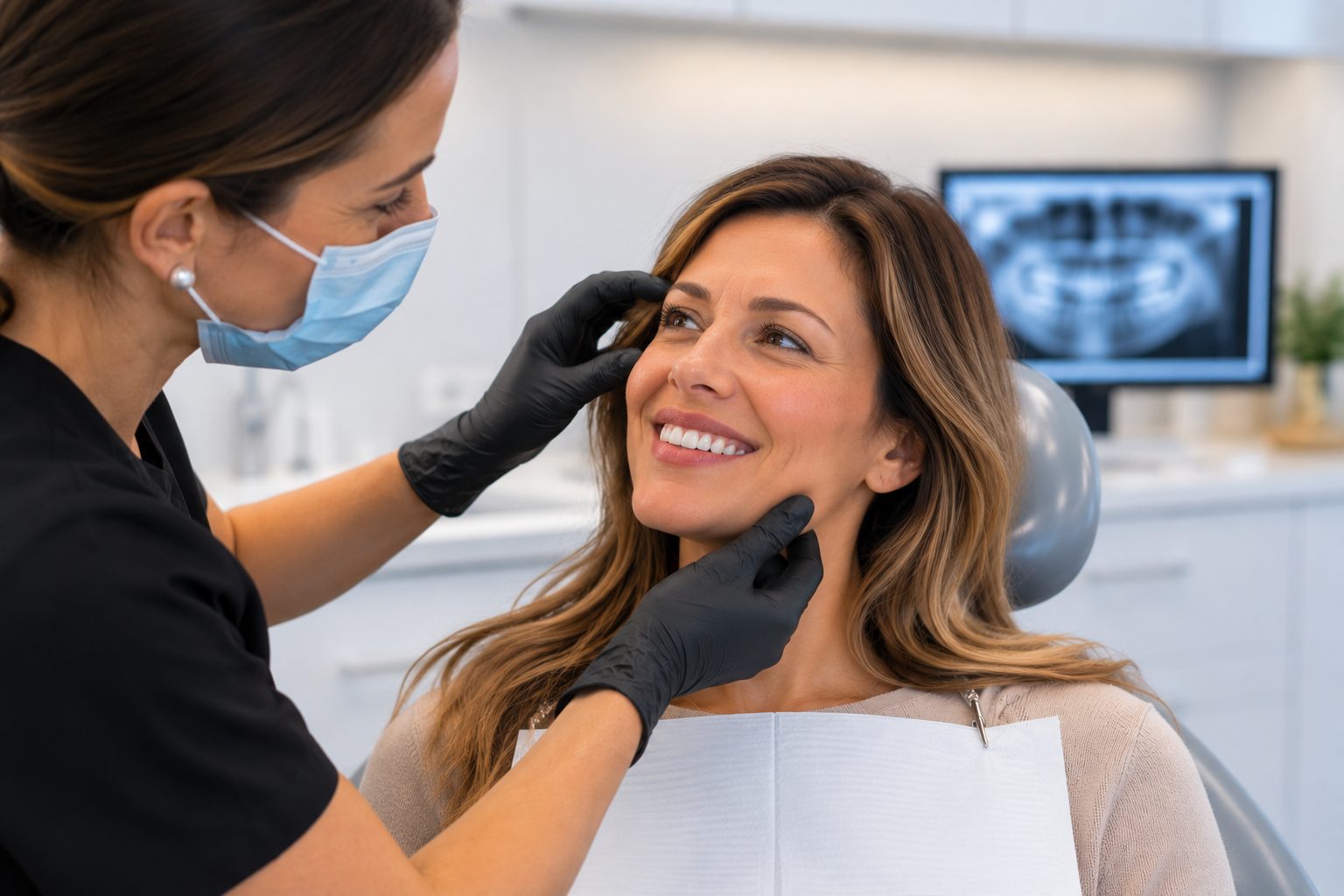
Symptoms & causes
Reducing muscle activity doesn't explain why your jaw hurts.
Jaw pain can involve the chewing muscles, jaw joints, teeth or other structures. More than one factor may be involved.
A treatment directed at muscle activity may be relevant in selected circumstances, but it doesn't replace the need to understand the broader clinical picture.
“TMJ” is not one diagnosis with one treatment.
Start with an assessment
We look at the dental side of the problem first.
Your symptoms
Where the discomfort occurs, when it happens and how it behaves.
Jaw muscles and movement
Relevant tenderness, movement and other clinical findings.
Your teeth and restorations
Looking for wear, fractures or other changes that may be associated with excessive forces.
Clenching and grinding
Whether bruxism appears relevant to the symptoms or dental findings.
The jaw joints
Considering whether the symptoms appear primarily muscular, joint-related or more complex.
If Botox appears worth discussing as part of the broader care plan, we can explain why and help guide you toward an appropriate provider.
Coordinated care
When another provider is the right provider.
Assess
We evaluate the dental and jaw-related findings and consider what may be contributing to your symptoms.
Decide what needs to be managed
That may include the teeth, dental restorations, grinding forces, jaw muscles, joint-related concerns or other factors.
Coordinate when appropriate
If a treatment outside our office, such as Botox, is appropriate to explore, we can coordinate with another provider while continuing to look after the dental aspects of your care.
Common questions
Common questions about Botox for TMJ.
Can Botox help with TMJ or jaw pain?+
Botox may be considered in selected situations where muscle activity appears relevant to jaw symptoms. Jaw pain and TMD can have different causes, however, so it isn't an appropriate treatment for every patient.
Does Botox stop teeth grinding?+
Botox can affect the activity of selected muscles, but it should not be presented as a guaranteed way to stop bruxism. If grinding or clenching is affecting your teeth or restorations, those dental concerns also need to be assessed.
Do you provide Botox for TMJ at Chandler & Nightingale Dental?+
When Botox makes sense, we coordinate it with a trusted provider and continue to look after the dental side of your care. We assess jaw pain, clenching, grinding and related dental findings first, so the decision is based on the whole picture.
Should I see a dentist before getting Botox for jaw pain?+
If your symptoms involve the jaw, teeth, bite, clenching or grinding, a dental assessment can provide useful information about what may be contributing and whether the teeth or restorations are being affected.
Is Botox better than a night guard?+
They have different purposes. A night guard may be used to protect teeth or restorations from grinding forces, while Botox acts on selected muscles. Neither is automatically the correct treatment for every patient with jaw pain or bruxism.
Can I still need a night guard if I have Botox?+
Potentially. If protecting the teeth or restorations remains an important goal, that issue is separate from whether muscle-directed treatment is being considered. The appropriate plan depends on the individual findings.
What if Botox isn't appropriate for me?+
Management depends on what is contributing to the symptoms. The appropriate next step may involve dental management, monitoring, an appliance, changes in habits or assessment by another healthcare professional.
Related care
Not sure what's causing your jaw symptoms?
Start with an assessment. We'll look at the dental and jaw-related findings, explain what we see and help determine the appropriate next step.
Or feel free to email us at reception@smilemail.ca. We reply to appointment requests within one business day.