
Canker Sores
Understanding mouth ulcers, finding relief, and knowing when to seek dental care.
At Chandler & Nightingale Dental in Midtown Toronto, we can help identify the cause of persistent or recurring mouth sores, provide treatment to relieve discomfort, and determine when further assessment is needed.
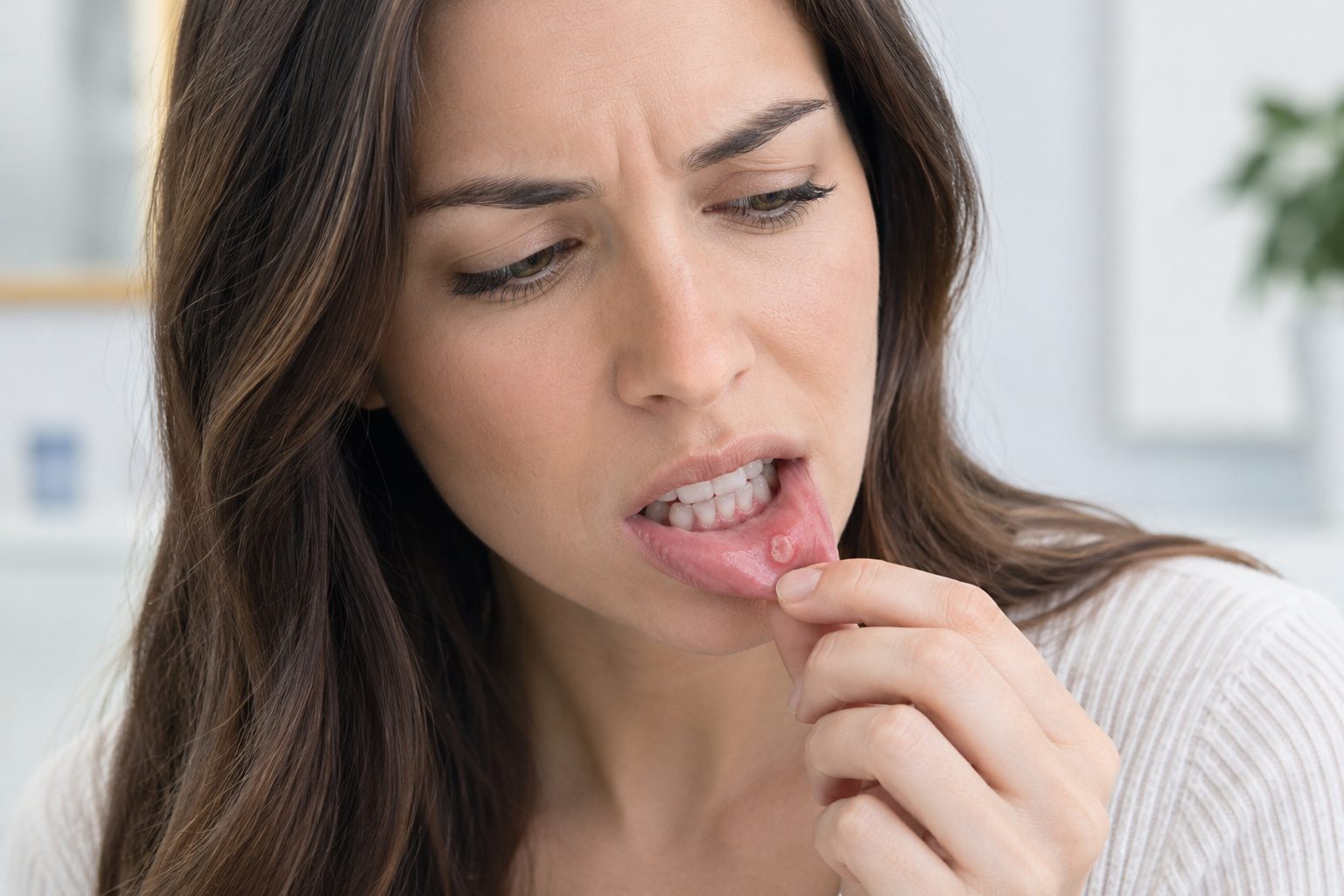
Mouth ulcers
What is a canker sore?
Canker sores are small, painful ulcers that develop inside the mouth. Although they are common and usually harmless, they can make everyday activities like eating, drinking, and speaking uncomfortable.
A canker sore, also known as an aphthous ulcer, is a small, shallow lesion that develops on the soft tissues inside the mouth.
They most commonly appear on the inside of the lips or cheeks, beneath the tongue, or along the soft tissues near the gums.
Canker sores typically have a white, yellow, or grey centre surrounded by a red, inflamed border. They may be particularly sensitive to acidic foods, spicy meals, or even gentle contact.
Unlike cold sores, canker sores are not contagious and are not caused by the herpes simplex virus.
Most minor canker sores heal on their own within 7 to 14 days.
Possible causes
What causes canker sores?
The exact cause of canker sores is not fully understood. For many people, several factors may contribute to their development.
Minor mouth injuries
Accidentally biting your cheek, irritation from orthodontic appliances, or trauma from brushing.
Stress and fatigue
Emotional stress and changes in sleep patterns may contribute to outbreaks.
Certain foods
Acidic, spicy, or irritating foods may trigger or aggravate sores in some individuals.
Nutritional deficiencies
Low levels of vitamin B12, iron, or folate may be associated with recurring ulcers.
Hormonal changes
Some people notice a relationship between hormonal fluctuations and canker sore outbreaks.
Underlying health conditions
Frequent or unusually severe ulcers can occasionally be associated with gastrointestinal, immune-related, or inflammatory conditions.
Not every canker sore has an identifiable trigger. A dental examination can help distinguish common aphthous ulcers from other conditions that may look similar.
Relief at home
How can you treat a canker sore?
Most canker sores resolve without treatment. In the meantime, a few simple measures can help reduce irritation and make healing more comfortable.
At-home care:
- Rinse gently with warm salt water.
- Avoid acidic, spicy, salty, or abrasive foods while the sore heals.
- Use a soft-bristled toothbrush to minimize irritation.
- Choose mild oral care products if your usual toothpaste or mouthwash causes discomfort.
- Consider an over-the-counter oral protective paste or pain-relieving product, following the product instructions.
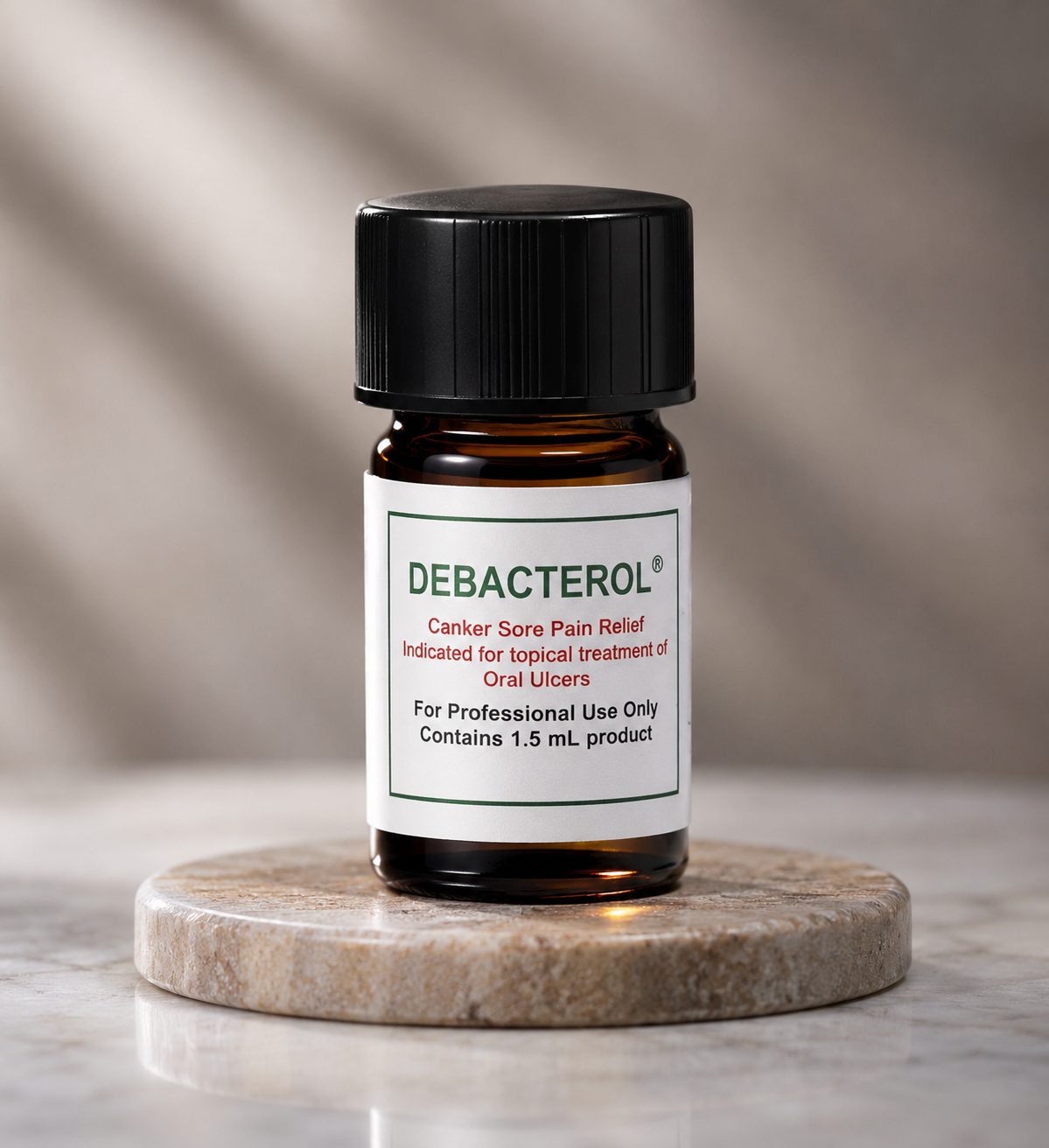
Professional treatment
Professional treatment at Chandler & Nightingale Dental.
While most canker sores heal naturally, professional treatment can help when an ulcer is particularly painful, persistent, or interfering with daily activities.
At Chandler & Nightingale Dental, we have medications that can be applied directly to canker sores to help reduce pain and irritation or, depending on the treatment, promote faster healing.
These in-office treatments may provide relief from discomfort associated with eating, drinking, and speaking. The most appropriate treatment depends on the size, location, and severity of the ulcer.
For patients experiencing frequent or unusually severe canker sores, we can also assess potential contributing factors and recommend additional treatment or investigation when necessary.
When to see us
When should you see a dentist for a canker sore?
Most canker sores do not require an emergency dental appointment. However, a mouth ulcer should not automatically be assumed to be a harmless canker sore.
We recommend arranging an examination if:
- A sore has not healed within two weeks.
- Ulcers occur frequently or repeatedly.
- A sore is unusually large, deep, or painful.
- Discomfort makes eating, drinking, or swallowing difficult.
- A sore develops alongside unexplained swelling, bleeding, or other changes in the mouth.
- You notice a persistent red or white patch, lump, or area of irritation.
Any mouth ulcer that persists for more than two weeks deserves professional assessment. Although most are benign, some persistent oral lesions require further investigation to rule out more serious conditions, including oral cancer.
If you experience significant difficulty swallowing or breathing, seek urgent medical attention.
Canker sore or cold sore?
Canker sores vs. cold sores: what’s the difference?
Although the names are similar, canker sores and cold sores are different conditions.
| Canker Sores | Cold Sores | |
|---|---|---|
| Where | Develop inside the mouth. | Usually develop on or around the lips. |
| What it looks like | Typically appear as shallow ulcers with a white or yellow centre. | Often begin as clusters of fluid-filled blisters. |
| Contagious? | Are not contagious. | Are caused by the herpes simplex virus and are contagious. |
| Healing | Usually heal within 1 to 2 weeks. | Typically heal within 1 to 2 weeks. |
| Treatment | Treatment focuses on reducing inflammation, relieving discomfort, and supporting healing. | Antiviral medications may help shorten outbreaks, particularly when started early. |
Correctly identifying the type of sore is important, particularly when lesions are recurring or do not follow the expected healing pattern.
Common questions
Common questions about canker sores.
How long does a canker sore last?+
Most minor canker sores heal within 7 to 14 days. Larger or more severe ulcers can take several weeks to heal and may require professional treatment.
Why do I keep getting canker sores?+
Recurring canker sores may be associated with stress, minor trauma, nutritional deficiencies, or other underlying factors. Some people experience recurrent aphthous ulcers without a clearly identifiable cause.
Can children get canker sores?+
Yes. Canker sores can occur in both children and adults. If your child develops frequent ulcers, has significant discomfort, or struggles to eat or drink, a dental or medical assessment may be helpful.
Can canker sores be a sign of something serious?+
Most canker sores are harmless. However, persistent or unusually frequent mouth ulcers can occasionally be associated with underlying medical conditions. An ulcer that has not healed within two weeks should be examined rather than assumed to be a canker sore.
Can a dentist make a canker sore heal faster?+
Certain professional treatments may help shorten the healing period, particularly when used early. Other treatments primarily focus on reducing pain and inflammation while the ulcer heals naturally. Your dentist can recommend an appropriate option based on the ulcer’s appearance and severity.
Related care
Concerned about a mouth sore?
Most canker sores heal naturally, but persistent pain or an ulcer that isn’t healing should not be ignored.
Or feel free to email us at reception@smilemail.ca. We reply to appointment requests within one business day.